The wildlife benefits of ivy

Ivy on Larch Trees at Hisley Wood
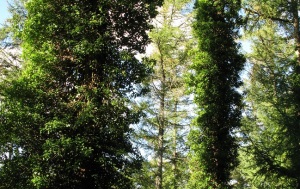
Ivy growing on larch trees Hisley Wood 

Density of ivy varies from tree to tree

Ivy on trees is often the subject of great debate. On one hand it casts dense shade and on the other it’s a valuable source of late season nectar and provides other wildlife benefits. Earlier this month ecologists from Devon Wildlife Consultants surveyed Hisley Wood with a view to protecting some of the ivy clad larch trees above the derelict remains of Boveycombe farmstead ahead of the winter programme of woodland management. They were on site to provide advice to the felling team and to identify some of the monumental larches to save for the benefit of bats. As bats and their roosts are protected by law the Woodland Trust and its contractors needed to understand where the most likely places were for woodland bats to roost. Many species are known to use these trees; pipistrelles, noctules and long-eared bats all frequent the Bovey Valley. Even the rare barbastelle will use ivy on larch as an occasional refuge.
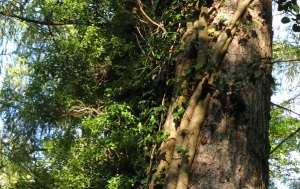
Close up of ivy growing on larch tree showing places where bats might roost

Thicker ivy stems provide more protection for bats     

The ecologists  studied each larch tree in the area where thinning works are planned. This whole exercise was a balancing act between encouraging lichen diversity, shrubs and ground flora and maintaining safe roosts for bats. The ecologist explained “It’s not just about the amount of ivy on the tree, it’s more to do with the thickness of the ivy stem. The most attractive crevices for bats are created where the larger ivy stems are close to the tree bark and provide a deep protected space for them to shelter in”.

This study has now identified the trees to protect and the trees which will be removed to allow in the sunlight to the woodland, lichen and plants beneath.

Hisley Wood is a Site of Special Scientific Interest due to the assemblages of lichen and other natural diversity. The Woodland Trust and Natural England manage this reserve for the benefit of wildlife and the expertise from Devon Wildlife Consultants is an essential element of conserving the various habitats along the valley.

by Matt Parkins
Related Articles

Discovering the nature of the Bovey Valley

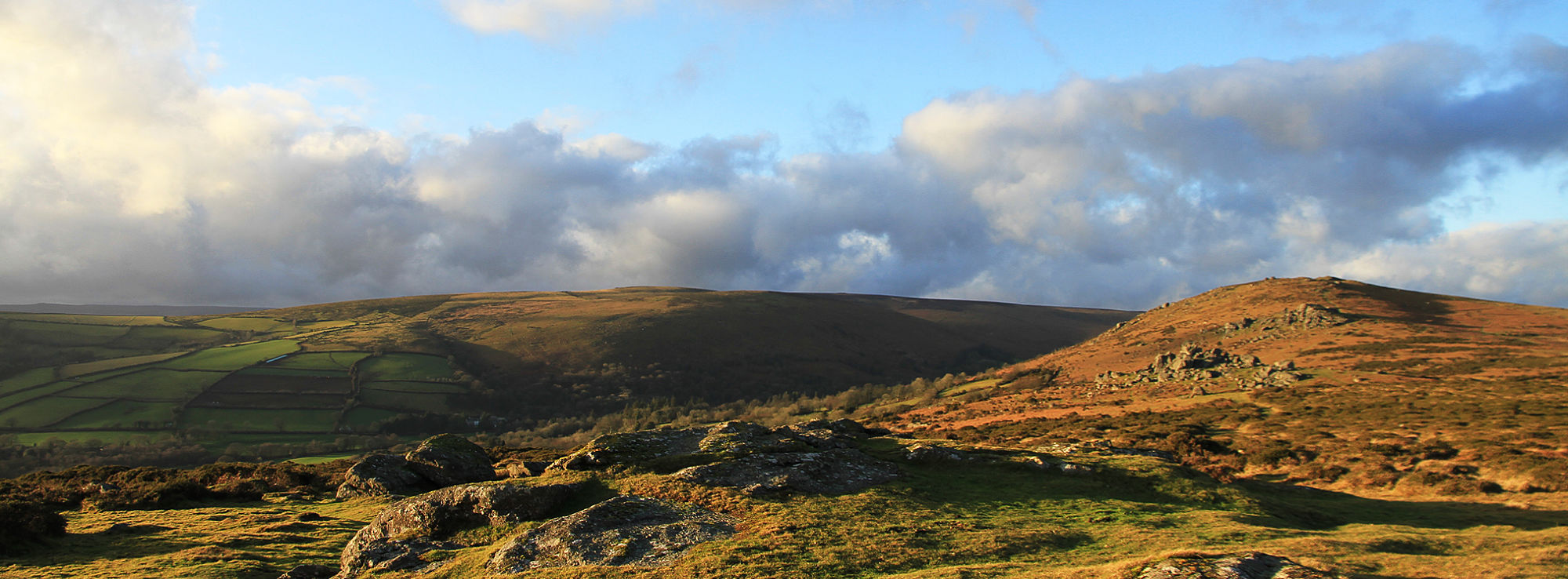
This project aims to protect and conserve key species, habitats and historic features of the Bovey Valley, part of the East Dartmoor National Nature Reserve. Together with other projects in the scheme it aims to foster deeper understanding and life-long interest in the area’s natural and cultural heritage, and engage local communities in all aspects of management.

Read more

Bat Diary part 6

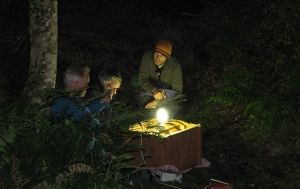
While the sun descended over Trendlebere Down one August evening a small group of naturalists gathered. Along with Andy Carr, bat researcher from the University of Bristol, Barry Henwood and Bob Heckford brought their specialist knowledge of moths. Andy and his team of volunteers has previously revealed some of the foraging habits of the rare barbastelle bats of the Bovey Valley and now he needs to know more about the range and availability of their food. It’s well known that the bats tend to feed on moths but specific information would require further work. A species list of around 20 night flying moths had previously been produced and needed updating.

Read more

Champions of a miniature world

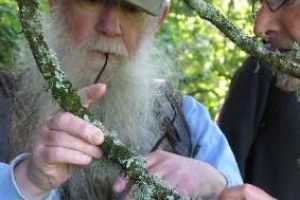
From a lichen’s perspective the Bovey Valley in East Dartmoor National Nature Reserve is an ideal home. In fact, Hisley Wood is a Site of Special Scientific Interest recognised for its assemblages of lichen, but having legal protection is only part of the story. To sustain these precious and rare species, more information is needed about the local lichen present in the woods. This is where the Lichen Lovers come in-to champion this miniature world. The Lichen Lovers are a group of enthusiastic and committed Devon naturalists who, between them, have a vast knowledge of hundreds of species of lichen and associated woodland wildlife. Their aim is to map their findings for Natural England and the Woodland Trust to develop habitat management plans.

Read more

Last update: 03 Nov 2015 5:12pm